
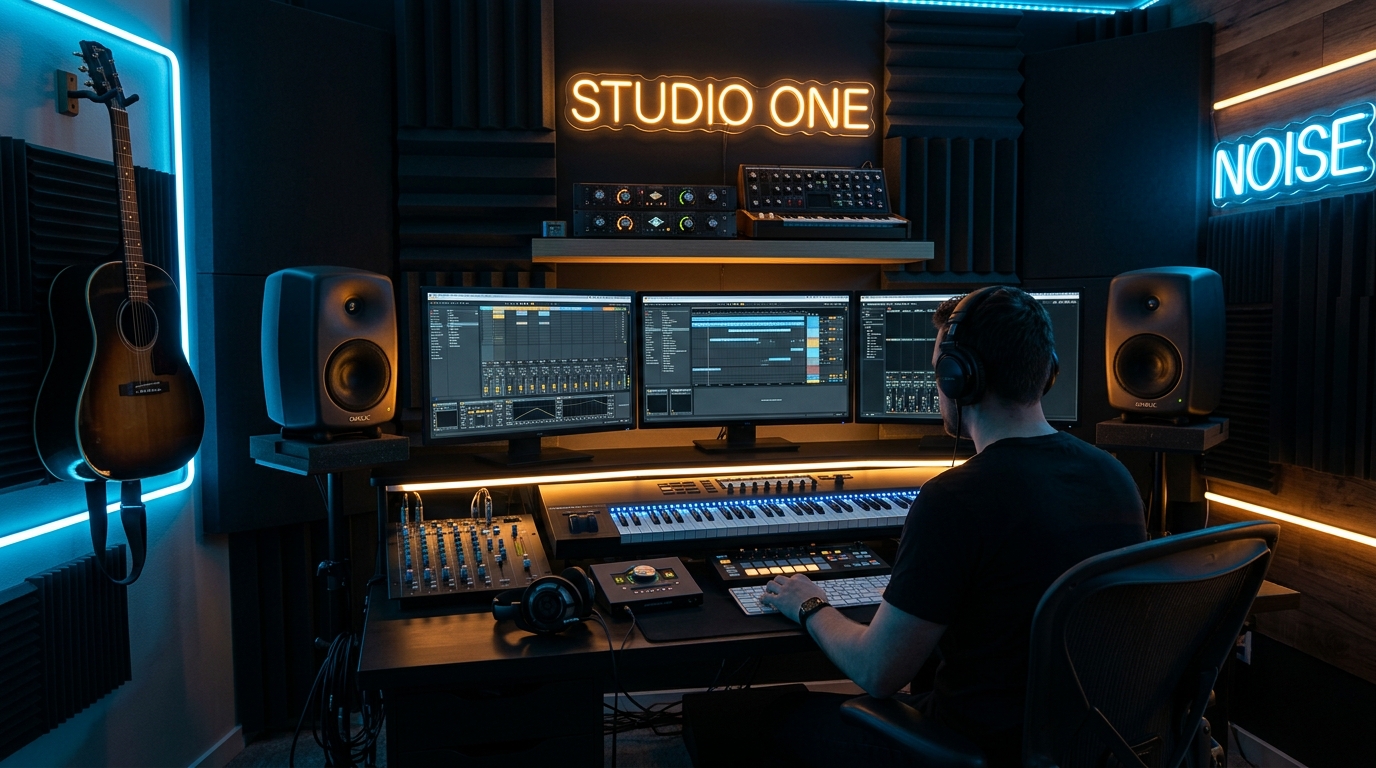
Introduction: Why Hi-Fi Computer Speakers Ruin Your Music Mixes
Consumer multimedia desktop speakers are engineered to flatter audio: they artificially boost 80Hz bass punch and 10kHz treble 'sparkle' to make MP3s sound exciting. Studio reference monitors do the exact opposite: they provide an unvarnished, ruthlessly honest flat frequency response so you can identify and correct acoustic flaws before releasing your music.
1. Speaker Woofer Sizing: 3.5-inch vs 5-inch vs 8-inch
- 3.5-inch / 4-inch (Small Bedroom Desks): Excellent for compact dorm rooms and basic video editing, but cannot reproduce sub-bass frequencies below 70Hz.
- 5-inch / 6.5-inch (The Home Studio Sweet Spot): Balances low-end extension (down to 45Hz) without overloading untreated 10x12 foot Indian bedrooms with muddy standing bass waves.
- 8-inch Monitors: Powerful acoustic beasts capable of 35Hz sub-bass, but require acoustic bass trapping treatment to prevent severe room resonance.
2. Top Studio Monitor Models Recommended by Roshan JBX
- PreSonus Eris E3.5 / E4.5 (₹9,990–₹14,990): The best budget entry monitors for bedroom beatmakers and podcasters.
- Kali Audio LP-6 V2 (₹28,000 / pair): The absolute imaging and boundary EQ champion in home recording today.
- Yamaha HS5 (₹32,000 / pair): The legendary white-coned industry standard for surgical vocal midrange clarity.
Frequently Asked Questions
Should I place studio monitors directly on my desk?
No. Placing monitors directly on a wooden desk causes mechanical vibrations that muddy your midrange. Always use dense acoustic foam isolation pads or decoupled desktop monitor stands to align the tweeters with your ear height.
Looking for educator-tested gear recommendations?
View Educator Recommended Studio Gear →